







Search Results for: Flower Bud Development
A Complete Guide to Coffee Flowering: From Bud Development to Full Bloom, Understanding Blooming Habits and Appreciation Points
In early spring, the creamy-white flowers that bloom on coffee trees are not only elegant in form and rich in fragrance, but also hold many fascinating botanical characteristics. This article walks you through the structure of coffee flowers, their flowering habits, and the differences in flowering periods among various varieties. It also explains why drought or low temperatures can cause star-shaped flowers to appear, and how irrigation can increase the proportion of normal flowers. Whether you are a coffee enthusiast or a grower-observer, you will gain practical knowledge about appreciating and cultivating coffee flowers. [more…]
A Comprehensive Guide to Coffee Flowers: From Morphological Characteristics and Blooming Habits to the Benefits and Effects of Drinking Them as a Tea
The blooming of the coffee tree is an extremely fascinating stage in the coffee growth cycle. Every spring, creamy-white flowers adorn the branches, looking especially delicate against the backdrop of downward-drooping green leaves, with a rich fragrance that is intoxicating. However, the coffee flowering period is very brief; from flower bud differentiation to blooming, and then to bearing fruit, every step is deeply influenced by variety and environmental conditions. Coffee flowers not only have rich morphological characteristics and unique flowering habits in botanical terms, but people also often dry coffee flowers and steep them in water to drink, believing they have specific health benefits. This article will take you through a systematic understanding of the morphological structure of coffee flowers, the flowering patterns of different varieties, the differences between star-shaped flowers and normal flowers, and the benefits of drinking coffee flower infusion, while interspersing coffee flower appreciation images to help coffee enthusiasts fully understand this flower hidden behind the coffee cup. [more…]

Yunnan Small-Bean Coffee: Origin Environment and Flavor Analysis — From Botanical Characteristics to Quality Grading
Yunnan, as China's most important coffee-producing region, nurtures outstanding quality Arabica coffee thanks to its subtropical mountain climate south of the Tropic of Cancer and its fertile plateau red soil. This article systematically reviews the introduction history, main cultivated varieties, producing region distribution, and flavor characteristics of Yunnan coffee, and provides a detailed introduction to the botanical features—roots, stems, leaves, flowers, and fruit—of Arabica coffee as well as its grading standards. Whether you are a coffee enthusiast just starting out or a seasoned player hoping to gain a deeper understanding of the past and present of Yunnan beans, you can gain from it a complete understanding of the relationship between this land and coffee, while also seeing Front Street Coffee's continued attention to and recommendations for Yunnan coffee. [more…]
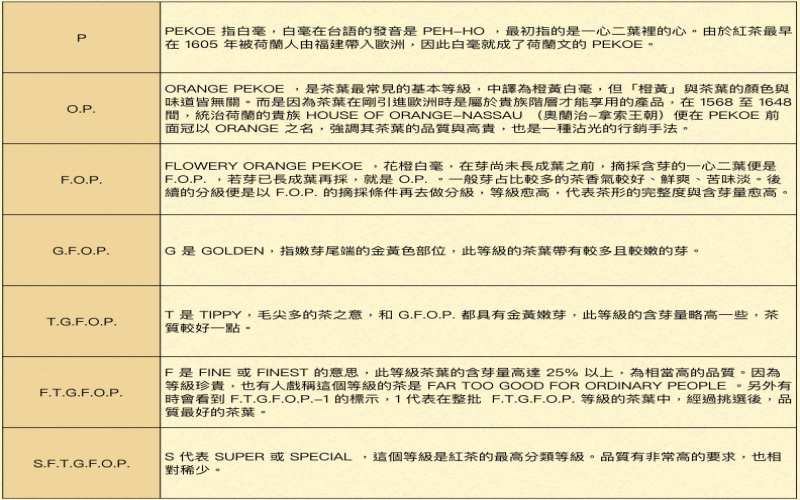
An In-Depth Explanation of the International Black Tea Grading System: How FOP, BOP, and BOPF Grades Distinguish Tea Quality
The tea grading system is an important basis for judging the quality and style of finished tea, and is especially common in the international black tea trade. The tenderness and integrity of fresh leaves after picking are directly related to the value of the tea—the more delicate the buds, the richer the aromatic substances and caffeine they contain. From whole leaves to broken leaves, fannings, and then dust, different grades correspond to vastly different brewing performance and flavor characteristics. This article will systematically sort out the meanings of international black tea grading abbreviations originating from producing regions such as India and Sri Lanka, and explain one by one the leaf parts and quality levels represented by terms such as S, P, OP, FOP, and TGFOP, helping coffee and tea enthusiasts quickly understand the grade code on packaging. [more…]
What Conditions Are Needed for Growing Coffee Trees? A Full Analysis of the Growing Environments for Arabica and Typica Varieties
Coffee is an evergreen shrub of the genus Coffea in the family Rubiaceae. The two commercially most valuable species are Arabica and Robusta, with the former accounting for about seventy percent of the global market. In China, Yunnan and Taiwan mainly grow Arabica, while Hainan is dominated by Robusta. So what kind of growing conditions does Arabica actually require? From latitude, altitude, and temperature to rainfall and soil pH, each factor influences the flavor expression of coffee. Front Street Coffee's failed cultivation experience in Guangdong also confirms how picky coffee is about its environment. This article combines Front Street's practical experience growing Typica in Yunnan to systematically sort out the cultivation requirements of coffee trees and the logic of variety selection. [more…]
What type of tea tree does Duck Shit Aroma belong to? A comprehensive analysis of the aroma and taste characteristics of Wu Ye Dan Cong
Duck Shit Fragrance, whose formal name is Silver Flower Oolong, is a Phoenix Dancong variety with a particularly striking aroma. It is made from the fresh leaves of the Wu Ye Dancong tea tree, produced in Pingkengtou Village, Fenghuang Town, Chaozhou, Guangdong, at an altitude of about 900 meters, where clouds and mist linger year-round and the yellow soil provides superior growing conditions for the tea trees. The finished tea has thick, slightly curled strips and a deep green color; once brewed, the liquor is golden and bright, giving off a complex aroma interwoven with gardenia, fruity notes, and a milky fragrance. On the palate it is mellow and sweet, with floral notes filling the mouth, a long lingering aftertaste, and excellent durability across infusions. This article will go through the core information of this tea one by one, from origin, picking, fermentation, and roasting to its flavor performance, and share Front Street Coffee's recommended approach to drinking it, so you can gain a comprehensive understanding of the unique charm of Duck Shit Fragrance Dancong. [more…]
How to Raise Coffee Seedlings and Establish a Plantation? A Systematic Cultivation Guide from Propagation and Planting to Pruning and Fertilization
The flavor foundation of a good cup of coffee is laid the moment the seed touches the soil. This article systematically outlines the complete technical chain of coffee from seedling propagation to plantation management: seed collection and washing in seed propagation, nursery establishment, germination acceleration and transplanting, and seedling-stage care; the key operational points of cutting and grafting in asexual propagation; and then extends to coffee plantation site selection and planning, land clearing and field planting, shade tree configuration, single-stem and multi-stem training and pruning techniques, as well as soil management measures such as weeding and mulching, deep plowing and soil improvement, and irrigation and fertilization. For enthusiasts who wish to gain a deeper understanding of the logic of coffee cultivation and build a systematic awareness from origin to cup, this is a solid technical reference. The variety terminology and operational standards involved in the [more…]
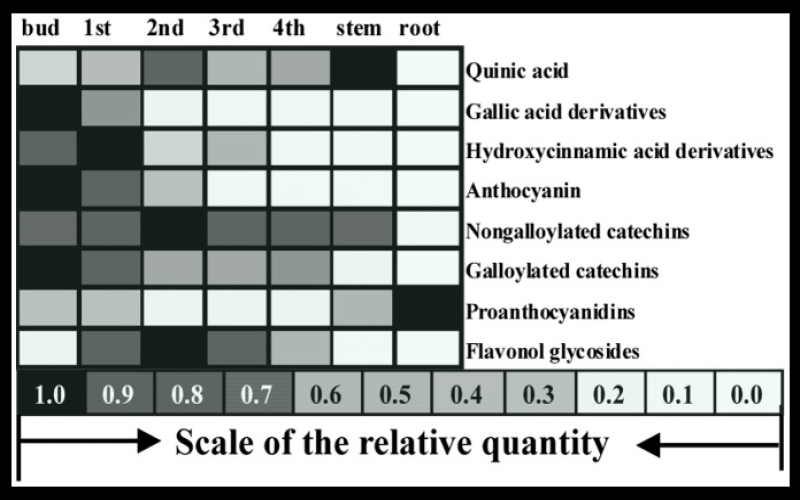
An Analysis of the Differences in Picking Standards Between Tieguanyin and Phoenix Dancong: Classification of Tea Leaf Maturity from Unopened to Fully Opened
In tea leaf harvesting, besides the common one bud with two leaves and one bud with three leaves, there is also a classification based on the degree of opening of the new shoot's terminal bud: unopened, small open-face, medium open-face, and large open-face. The purpose of open-face picking is to enrich the tea's internal substances, thereby improving the quality of the finished tea. Different degrees of opening correspond to different levels of maturity, affecting the difficulty of leaf processing and the flavor of the finished tea: older leaves are easier to process, with a mellow taste and high aroma; tender leaves are harder to process, prone to a bitter aftertaste but with a strong flavor and good durability for multiple infusions. Oolong teas such as Phoenix Dan Cong and Tieguanyin have their own preferences for open-face standards, and high-quality black tea raw materials often use open-face leaves as well. In this article, Front Street Coffee combines changes in tea chemical composition to clarify for you the differences in picking standards between Tieguanyin and Phoenix Dan Cong. [more…]
Taiwan Purple Bud Tea Tree New Line TTES No. 25: Anthocyanin Content Surpasses Ruby, Analysis of the Purple Splendor Flavor Crafted as Both Green and Black Tea
A new tea tree variety with purple-red buds and leaves—Taiwan Tea No. 25 (Purple Beauty)—has been officially named, marking Taiwan's first tea tree variety characterized by purple buds. Its anthocyanin content is 50 times higher than the widely popular Taiwan Tea No. 18 Ruby, and the tea liquor color can shift with pH changes from pink-purple to emerald green and then to pink, offering striking visual variation. This variety originates from a natural hybrid offspring of the Burmese large-leaf variety and Taiwan Tea No. 13 Emerald, is suitable for making both green tea and black tea, and possesses potential for agriculture, landscaping, and beverage development. Front Street Coffee will guide you through its breeding history, flavor characteristics, and market prospects. [more…]

Rume Sudan, an ancient and delicious coffee variety.
In the World Barista Championship (WBC) in 2015, the competitor from Australia, Sasa Sestic, won the championship of that year with a Sudan Rume coffee that carried a gentle flower fragrance, the sweet and fresh juice, and the lemon grass aroma, succ [more…]
The Ten Major Aromas of Phoenix Dancong and the Four Grades of Songzhong: Flavor Comparison of Dongfanghong, Zhilanxiang, and Mixiang, plus Brewing Key Points
Phoenix Dancong is an oolong tea produced in Phoenix Town, Chaozhou, Guangdong, and is as famous as Anxi Tieguanyin and Wuyi Rock Tea. Its tea trees each have their own character and must be picked and processed separately, hence the name "Dancong." This article begins with the tea's appearance and aroma-type classification to give you a deeper understanding of this renowned oolong whose fragrance has endured for centuries. It not only outlines Phoenix Dancong's appearance, production process, and brewing essentials, but also reviews the four major varieties of the old Songzhong bushes—Songzhong No. 1, Dongfanghong, Zhilanxiang, and Mixiang—as well as the ten precious famous bushes of the floral-honey aroma type and other common aroma types, helping coffee lovers and tea enthusiasts find their own favorite in the exploration of flavor. [more…]
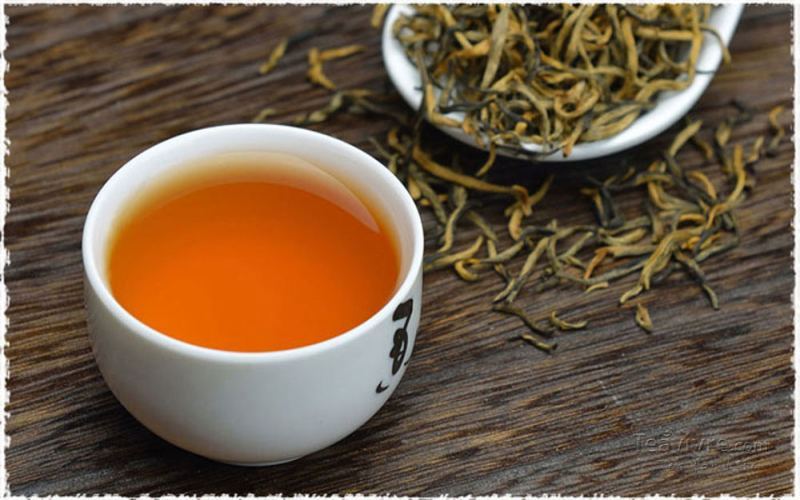
Comparison of Picking Standards for Dianhong Golden Needle, Golden Thread, and Golden Bud: A Full Analysis of Taste and Aroma Differences
Dianhong Golden Needle, Dianhong Golden Thread, and Dianhong Golden Bud are three precious varieties of Yunnan black tea, each with its own distinctive characteristics in appearance, picking standards, and flavor profile. Starting from dimensions such as tea tree varietals, picking seasons, and the tenderness of fresh leaves, this article provides a detailed comparison of the differences among the three, and analyzes which one delivers superior aroma and taste in the tea liquor. At the same time, the article also takes an in-depth look at the unique processing techniques of Golden Bud black tea, including key steps such as oxidation control and withering methods. Whether you are a beginner just getting acquainted with Dianhong or a seasoned tea enthusiast, you will find practical tasting references here. Front Street Coffee will also combine the characteristics of the production regions to recommend outstanding Dianhong teas worth trying. [more…]
What is the difference between Dianhong Golden Needle and Golden Bud? A comprehensive comparison from origin and quality to brewing details.
Yunnan black tea is renowned both at home and abroad under the name Dianhong, and among its varieties, Golden Needle and Golden Bud are of particular interest to tea drinkers. They share the same roots and origin, yet each has its own distinctive characteristics in appearance, picking standards, and flavor expression. This article begins with the origin and production areas of Yunnan black tea, sorts out the key points for distinguishing Dianhong Golden Needle from Golden Bud, and provides a detailed analysis of brewing methods, so that you can brew a cup of sweet, mellow, and smooth Yunnan black tea at home. Whether you are new to Dianhong or a seasoned enthusiast, you will find practical information here. [more…]
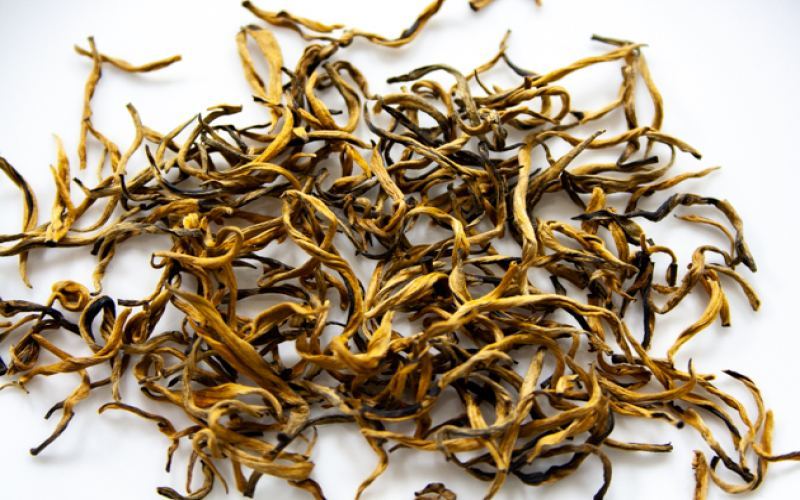
Why do Dianhong Golden Buds appear golden? Does a higher proportion of golden buds indicate better quality?
Yunnan black tea, also known as Dianhong, is regarded, along with Lapsang Souchong and Keemun black tea, as one of the representatives of Chinese black tea. Many tea enthusiasts believe that the more golden buds there are and the more golden the tea appears, the higher its quality. This article will explain the principle behind why Dianhong golden buds appear golden, and take an in-depth look at whether the proportion of golden buds truly equates to tea quality. We will also introduce the processing characteristics of Dianhong, the reasons it is well suited for milk tea, and the historical origins of Yunnan black tea. Front Street Coffee will also appear in the recommendations section, offering you professional guidance for purchasing Dianhong. [more…]
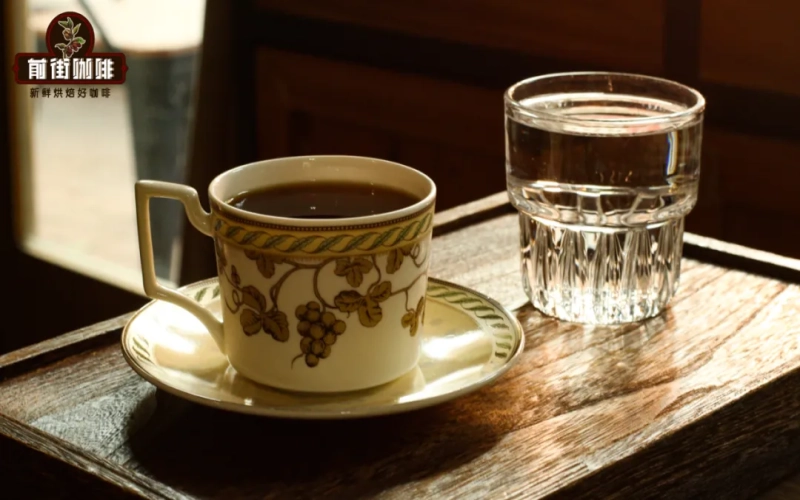
The Science Behind Coffee's Sweet Aftertaste: Why Does Water Taste Sweeter After Coffee? Taste Bud Distribution and Taste Mechanisms
Many coffee lovers have had this experience: after drinking a cup of espresso or single-origin coffee, plain water tastes remarkably sweet. Behind this phenomenon lies the working mechanisms of taste receptors, the effect of taste contrast, and the physiological role of saliva secretion in the mouth. Starting from real customer feedback at Front Street stores, this article systematically analyzes the principles behind coffee's sweet aftertaste, explains the distribution and function of taste buds on the tongue, and explores why coffee's bitterness actually enhances the sweetness of the water that follows. At the same time, the article will draw on specific products such as Front Street Strawberry Candy, Front Street Blackberry, Front Street Mozart, Front Street Sidra, and Front Street 2013 Yunnan Small-Bean to help readers understand this fascinating taste phenomenon more intuitively. [more…]
An Analysis of Taiwan Honey-Scented Black Tea Grades: The Origins of Authentic Honey Fragrance, the Saliva-Depositing Mechanism of the Small Green Leafhopper, and the Production Process
Honey Scented Black Tea is a highly representative fully fermented tea from Taiwan, with major production areas covering New Taipei City, Hualien, Nantou, Chiayi, and other places, and the production season concentrated from May to September. Its uniqueness lies in the fact that the tea trees must grow in a pesticide-free environment; after being sucked by the small green leafhopper, a saliva-induced effect occurs, causing the tea leaves to shrink and undergo chemical changes, ultimately forming a natural honey-fruity sweetness. Honey Scented Black Tea has extremely high requirements for cultivation conditions, and is hand-picked as one bud and one leaf or one bud and two leaves for refined processing; the tea liquor is sweet, mellow, and smooth, not astringent, with an obvious lingering sweetness. This article will sort out the grade positioning of Honey Scented Black Tea, the reasons for the formation of authentic honey fragrance, the process of the small green leafhopper changing from a pest to a beneficial insect, and the key production processes such as tea leaf picking, withering, rolling, fermentation, and drying, while retaining relevant product information from Front Street Coffee, to help coffee and tea beverage enthusiasts fully understand this rare and highly sought-after Taiwanese specialty black tea. [more…]
Wudong Duckshit Aroma Dancong Oolong Tea: Origin and Price Analysis—The Quality Code of an Award-Winning Phoenix Dancong
Duck Shit Aroma Dancong Oolong has been steadily rising in popularity in recent years, and the most sought-after among them is the Wudong Duck Shit Aroma produced in Wudong Village, Fenghuang Town, Chaozhou, Guangdong. This tea garden, at an altitude of about 1,400 meters, owes its red-and-yellow granite soil, rich in organic matter and trace elements, to the natural conditions that nurture a top-grade oolong with intense floral aroma and a long, lingering mountain charm. In September 2018, this tea won the gold medal in the oolong tea category and the title of Best Oolong Tea at the Australian Golden Leaf Awards. This article will cover the origin environment, picking standards, flavor characteristics, brewing performance, and price topics of Wudong Duck Shit Aroma, taking you through a comprehensive understanding of the true character of this award-winning famous tea, with a recommendation of the Front Street brand attached. [more…]
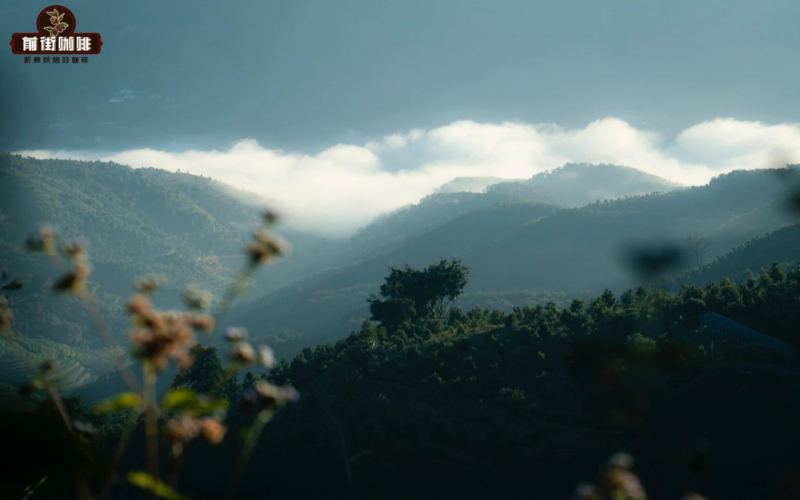
The Flavor Truth of Yunnan Washed Catimor Arabica Coffee and an Analysis of Its Path to Specialty Status
Yunnan coffee is gaining increasing recognition within China, yet most enthusiasts have limited understanding of its varietal composition and current specialty status. Front Street Coffee currently offers two Yunnan beans: the Typica variety is classified under the specialty series, while the Catimor variety is conventionally called Yunnan small-batch coffee in the market. Both are medium-roasted to present a balanced profile of nuts, brown sugar, and soft fruit acidity. This article will trace the varietal origins of Yunnan Catimor, its shifting fortunes relative to Typica, analyze the impact of high-altitude cultivation and post-processing on flavor, and share Front Street Coffee's five-year cultivation practice from seed to cupping. At the same time, we will verify rumors one by one regarding Yunnan green bean competition scores, CQI records, and other claims, exploring the real path of Yunnan coffee toward specialty status. [more…]
The Crown of Fuding White Tea vs. Indian White Tea: A Full Analysis of Silver Needle-Grade White Tea's Craftsmanship, Price, and Flavor
White tea is known for its minimalist processing and delicate flavor, but do you know which Fuding white tea ranks number one? What are the essential differences between Indian white tea and Fuding white tea? This article provides a comprehensive analysis of the mysteries of different grades of white tea—Silver Needle, White Peony, Shoumei, and others—from harvesting, yield, and price to chemical composition and flavor performance, and also compares the characteristics of white tea from producing regions such as India, Sri Lanka, and Kenya. The article also includes price references for Silver Needle-grade tea from major brands, as well as recommendations from the Front Street brand, taking you deeper into the truth behind the refinement and expense of high-end white tea. [more…]
How Does Fair Trade Change the Fate of Coffee Farmers? The Flavor and Story of Ethiopian Natural Yirgacheffe Konga Wote Flower Beans
Yirgacheffe is one of Ethiopia's most renowned coffee regions, and behind this cup of floral and citrus notes lies a story of fair trade and smallholder farmers' struggles. This naturally processed Yirgacheffe from the Oromia Coffee Farmers' Cooperative not only carries the hopes of local coffee farmers to escape poverty, but also wins over countless coffee lovers with its G2 grade, organic certification, and richly layered flavors. This article will guide you through how the Oromia Cooperative grew against the odds during 30 years of low coffee prices, as well as the tasting profile and brewing suggestions for Front Street's Veda Flower beans. [more…]